As you contemplate the future of flying cars and urban mobility, envision a landscape where the skies are as bustling as the streets below. The integration of flying cars into daily commutes promises to revolutionize how we navigate our cities, offering a glimpse into a future where congestion is a worry of the past. But before you let your imagination soar, consider the intricate web of challenges that must be overcome to turn this vision into a reality. From airspace regulations to infrastructure development, the path to seamless urban aerial mobility is riddled with complexities that demand innovative solutions.
Evolution of Flying Car Technology
Flying cars have undergone significant advancements in technology over the years, revolutionizing the concept of urban mobility. From early prototypes that seemed like science fiction to the cutting-edge models being developed today, the evolution of flying car technology has been truly remarkable.
One key area of advancement is in propulsion systems. Traditional combustion engines have given way to electric and hybrid systems, making flying cars more sustainable and environmentally friendly. These new propulsion systems also contribute to quieter flights, reducing noise pollution in urban areas.
Another crucial aspect is the development of autonomous flying technology. With the integration of AI and advanced sensors, flying cars are becoming safer and easier to operate. Piloting a flying car is no longer limited to trained professionals; soon, anyone with a license will be able to navigate the skies effortlessly.
Furthermore, advancements in materials and aerodynamics have made flying cars more efficient and streamlined, enhancing their performance and range. As technology continues to progress, the future of flying cars looks promising, offering a new dimension to urban mobility.
Impact on Urban Infrastructure
The evolution of flying car technology hasn’t only transformed the concept of urban mobility but also holds significant implications for urban infrastructure. As flying cars become more prevalent, cities will need to adapt their infrastructure to accommodate this new mode of transportation. Traditional roadways may need to be redesigned to include designated landing pads or takeoff zones for flying cars. Additionally, parking structures and garages may need to be reimagined to incorporate vertical landing and takeoff capabilities.
The impact on urban infrastructure goes beyond just physical changes. The increased use of flying cars could lead to changes in traffic patterns and congestion levels. City planners will need to consider how to integrate flying cars into existing transportation networks efficiently. Furthermore, the noise pollution generated by flying cars may necessitate new regulations and zoning restrictions to minimize disturbances to residents.
Regulatory Challenges and Solutions
What challenges do regulatory bodies face in adapting to the integration of flying cars into urban environments?
One of the primary challenges is establishing clear guidelines and regulations for the operation of flying cars within city limits. Current aviation regulations are mostly designed for traditional aircraft, so adapting them to accommodate the unique features of flying cars presents a significant hurdle. Ensuring the safety of both occupants and people on the ground is paramount, necessitating thorough assessments of air traffic management systems, vehicle certification processes, and pilot licensing requirements.
Moreover, addressing privacy and security concerns is crucial in the development of regulations for flying cars. As these vehicles will likely incorporate advanced technologies such as sensors and cameras, protecting individuals’ data and preventing potential misuse are pressing issues. Regulatory bodies must work closely with industry stakeholders to establish robust frameworks that strike a balance between innovation and safeguarding public interests.
Collaboration between government entities, manufacturers, and urban planners is essential to navigate these challenges and pave the way for the responsible integration of flying cars into urban mobility systems.
Future Adoption and Integration
In the near future, integrating flying cars into urban environments will require proactive collaboration among stakeholders to address logistical, infrastructural, and societal implications. As a city dweller, envision a landscape where flying cars seamlessly coexist with traditional transportation modes. To achieve this vision, city planners, policymakers, manufacturers, and the public must work together to navigate challenges such as air traffic management, landing infrastructure, noise pollution, and safety regulations.
Imagine a world where commuting via flying cars is as common as taking the subway. This future hinges on coordinated efforts to establish designated takeoff and landing zones, create efficient aerial highways, and integrate autonomous technologies for safe navigation. By collaborating with urban designers and architects, flying car developers can ensure that these futuristic vehicles blend harmoniously into city skylines without disrupting the existing urban fabric.
In this collaborative future, your daily commute could involve soaring above traffic jams, reducing travel times, and enhancing overall mobility. By embracing innovation and teamwork, the integration of flying cars into urban landscapes promises a future where transportation isn’t just efficient but also exhilarating.
Trending Products
-
Sale!

WORKPRO Premium 8” Needle Nose Pliers, Paper Clamp Precision, Heavy-Duty CRV Steel, Large Soft Grip with Wire Cutter, Long Nose Cutting Pliers, W031269
Original price was: $11.99.$9.99Current price is: $9.99. Buy product -
Sale!

FRAM EG+ PH3614P 10K Mile Change Automotive Replacement Interval Spin-On Engine Oil Filter for Select Vehicle Model Years, Vehicle Engine Protection Oil Filter for Everyday Drivers
Original price was: $4.53.$3.88Current price is: $3.88. Buy product -

DEWALT FLEXVOLT ADVANTAGE 20V MAX* Angle Grinder, Paddle Switch, 4-1/2-Inch to 5-Inch, Tool Only (DCG416B)
$159.90 Buy product -
Sale!

11pcs Windshield Cleaner Tool, Car Window Cleaning Wash Kit with 6 Reusable Microfiber Pads 2 Spray Bottles and Extendable Handles Auto Glass Wiper Kit, Blue
Original price was: $18.99.$15.99Current price is: $15.99. Buy product -

Impact Wrench 1/2 inch for DeWalt 20v Battery, Impact Wrench 750Ft-lbs(1000N.m) High Torque Brushless Electric Impact Gun, Power Impact Driver with 3-Mode Speed, LED Work Light(no battery) (Green)
$59.99 Buy product -
Sale!
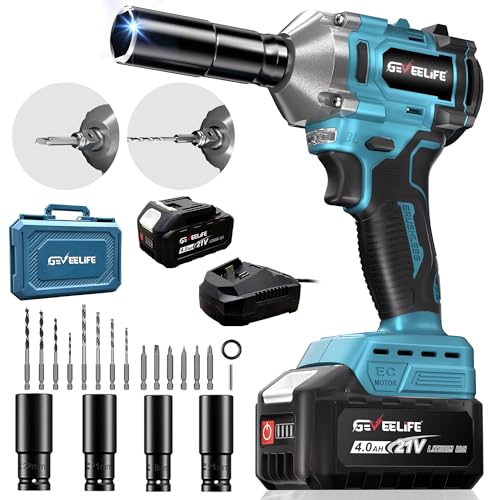
GEVEELIFE 450N.m/332Ft-lbs Brushless Impact Wrench,1/2″ Cordless Impact Gun with 4.0Ah Battery & 6 Sockets, Electric Impact Driver for Car/DIY Furniture/Lawn Mower/blue (450N)
Original price was: $62.99.$49.99Current price is: $49.99. Buy product -
Sale!

REXBETI Folding Saw, Heavy Duty 11 Inch Extra Long Blade Hand Saws for Wood Camping, Dry Wood Pruning Saws With Hard Teeth, Quality SK-5 Steel, Gifts for men
Original price was: $24.00.$16.99Current price is: $16.99. Buy product -
Sale!

DEWALT 20V MAX Impact Driver, 1/4 Inch, Battery and Charger Included (DCF787D1)
Original price was: $179.00.$98.95Current price is: $98.95. Buy product -

JORGENSEN 15” Hand Saw, Black Coated Coarse Handsaw 8TPI for Wood Cutting, Ergonomic Non-Slip Aluminum Handle for Sawing, Trimming, Gardening, Pruning, PVC
$25.99 Buy product -
Sale!

Car Air Freshener Hanging 2 Pack Car Air Fresheners Diffuser – Mahogany Teakwood Fragrance Oil Air Diffuser for Car, 45+ days Long Lasting Fragrance, Two 0.27 FL OZ/8ML Made in USA Car Air Fresheners
Original price was: $15.47.$13.22Current price is: $13.22. Buy product






Leave a Reply
You must be logged in to post a comment.